Quiet Brilliance: Layered Lighting for a Refined Home

Start with Ambient: The Calm Canvas
Ceiling Planes and Hidden Glow
Concealed coves, shallow slots, and perimeter grazes can make ceilings seem lighter and rooms feel taller without demanding attention from fixtures. Aim light upward, bounce off matte white or pale tones, and mind cut-off angles to prevent sparkle in sightlines. Pair dim-to-warm or 2700–3000K sources with smooth low-end dimming, so twilight moments feel natural. Test at night, then tune levels until people, not hardware, become the brightest elements, creating visual comfort that quietly invites conversation and slow, unhurried breathing.
Wall-Washing for Perceived Brightness
Even, scallop-free wall-washing increases perceived brightness more efficiently than flooding the center of a room. Use asymmetric optics or spaced linear grazers, keeping consistent offsets to avoid hot bands. When walls read bright, the eye relaxes and ceilings appear higher. This strategy is invaluable in narrow halls and compact living spaces, where uniform vertical light makes architecture feel gracious. Combine with discreet dimmers to adapt for art, seasonal decor, and evening rituals without breaking the restrained character you worked to establish.
Balancing Luminance and Shadows
Absolute uniformity flattens mood; delicate shadow is essential for depth. Calibrate ambient levels so darks remain readable yet gentle, using reflectance-aware calculations or quick light-meter checks on site. Keep luminance ratios between primary surfaces comfortable, avoiding harsh jumps that trigger squinting. Blend broad ambient with subtle perimeter shade, letting doorways glow softly while corners retain whispering contrast. This balance supports relaxed eyes, flattering skin tones, and a refined calm that feels considered, not staged, across ordinary evenings and occasional gatherings.
Task Lighting with Poise

Art that Breathes
Picture lights and adjustable recessed accents excel when color accuracy is high and spill is controlled. Test angles to avoid glass glare and align beams slightly larger than the artwork for gentle falloff. Consider 2700K for warm palettes, 3000–3500K for contemporary tones. Use memory scenes to honor daylight, then softly elevate in evening hours. The result should feel like the art woke up, not like a gallery moved in, sustaining intimacy while honoring craft and story embedded in each frame.
Texture on Stone and Wood
Grazing from close offsets deepens relief on brick, limestone, and carved wood, but too much intensity can become theatrical. Start low, increase gradually, and test at multiple distances to find the sweet spot between shimmer and comfort. Matte sealers and lower sheen finishes prevent harsh sparkles. Pair with a calm ambient backdrop so textures read as one voice in a larger composition. As fingertips trace surfaces, the light should feel like a soft sentence finishing a thought, never an exclamation.
Mirrors, Metal, and Subtle Sparkle
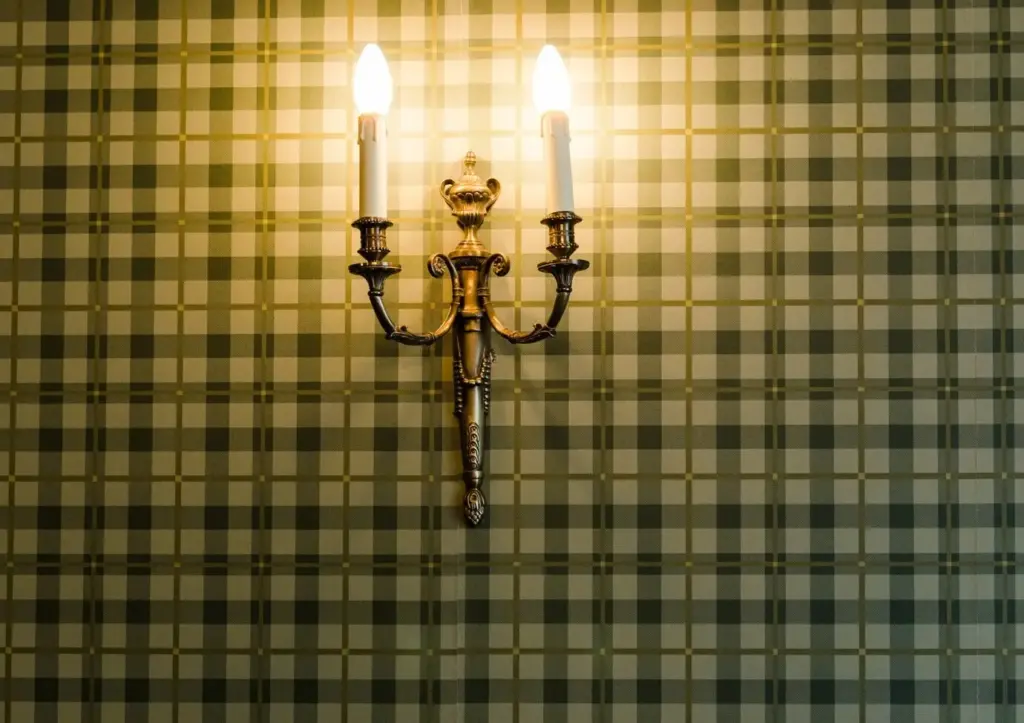
A small, controlled sparkle energizes quiet rooms when used sparingly: a prismatic pendant over a console, a tiny refracting sconce near a mirror, a discreet LED in a display shelf. Keep output modest, color warm, and placement away from direct sightlines. Let reflections multiply the effect without dominating. These touches lift evenings, complement candlelight, and make guests smile without knowing exactly why. Elegance resides in restraint; one well-placed glimmer can animate an entire composition with effortless grace.
Color Temperature, Fidelity, and Circadian Ease




Dimming, Control, and Technology that Stays Quiet
Scenes that Simplify Evenings
Invisible Smartness, Real Reliability
Future-Proof Wiring and Drivers
Matte Finishes that Tame Brightness
Matte paints, honed stone, and brushed metals keep reflections low, letting you run slightly brighter ambient levels without glare. This latitude makes dimming more expressive, because you can dial scenes down for mood instead of necessity. Avoid high-gloss near eye level unless you want sparkle. Coordinate sheens across adjacent planes so no single surface steals attention. The result reads collected and calm, as if daylight has been distilled into a soft, steady presence that flatters every material choice.
Metal, Glass, and Fabric Shades
Shades behave like instruments: metal focuses and shields, glass shares sparkle and spread, fabric warms and calms. Selecting the right one for each moment changes everything. A linen drum under-dimmed becomes evening’s heartbeat; a clear globe, placed carefully, adds a wink. Line translucent materials to hide bulbs, choose opal glass to soften LED points, and test dimming to reveal personality. In a restrained composition, the right shade elevates mood while staying obedient to the room’s quiet voice.
Geometry: Beams, Offsets, and Heights
Translate intention into numbers: beam spread, aiming angle, and mounting height decide real outcomes. Start with purpose, then draw sightlines and measure offsets from walls and artwork. Keep cut-off outside seated eye heights, and avoid crossing beams that create confusing scallops. Small adjustments—three inches forward, five degrees wider—often resolve the last discomfort. Document the aim so future tweaks remain disciplined. Precision here underwrites the effortless serenity guests notice but cannot quite name when they settle in.

Case Studies: Three Rooms, One Quiet Language
All Rights Reserved.